
How to Heal Childhood Trauma?
Beyond the “Inner Child”: A Neuro-Somatic Approach to Healing Childhood Trauma
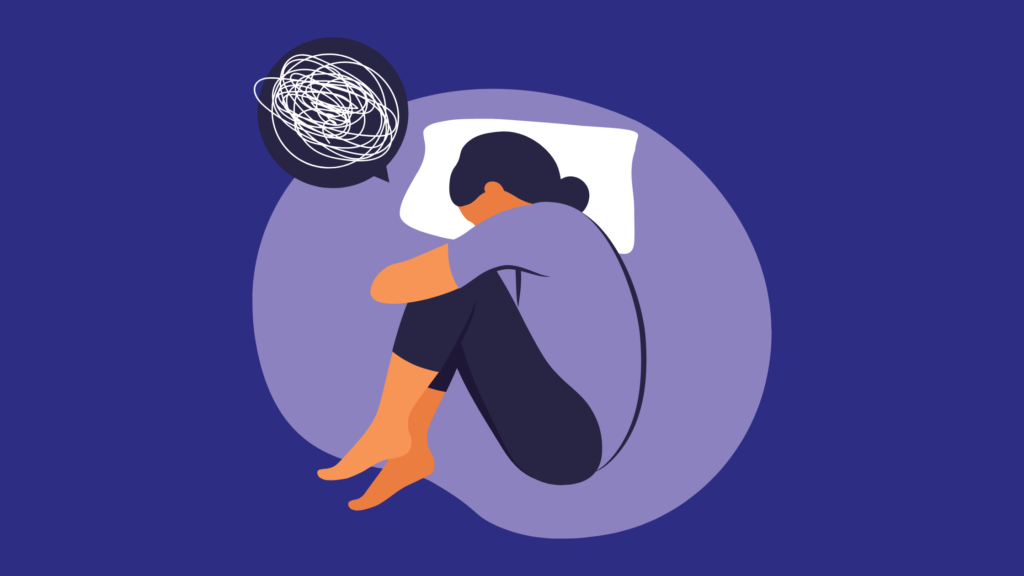
Most people think healing childhood trauma is just about “talking it out.” But at UNSAD Health, we look at trauma through a different lens: The Nervous System.
Childhood trauma isn’t just a memory; it’s a physical blueprint. When a child experiences chronic stress, their brain’s “alarm system” (the Amygdala) stays on high alert. Decades later, as adults, they find themselves struggling with anxiety, chronic pain, or “reasonless” fatigue.
The Science: Why “Talk” Isn’t Enough
Trauma is stored in the Limbic System and the Brainstem—parts of the brain that don’t speak in words. They speak in sensations: a racing heart, a tight throat, or a “gut feeling.”
Traditional talk therapy reaches the Prefrontal Cortex (the logical brain), but to truly heal, we must reach the Somatic (body) level. This is where the “Biological Debt” of trauma resides.
Case Study: Breaking the Cycle of Hyper-Vigilance
The Patient: Dikshita, a 38-year-old IT professional.
The History: Dikshita lost her father at age 3 and grew up in a high-pressure environment with multiple school changes. Her ACE (Adverse Childhood Experience) score was 3/10.
The Presentation: Dikshita came to us with “Extremely Severe” Depression and Anxiety (DASS-21). Despite her professional success, she felt “punished without doing anything” and suffered from chronic knee pain and osteoporosis.
The UNSAD Health Protocol:
We didn’t just discuss her past; we recalibrated her present.
SEMDR (Somatic EMDR): We used eye movements to “unstick” the traumatic memories of her husband’s false police complaints and her mother’s illness.
EAET (Emotional Awareness and Expression Therapy): Dikshita learned to safely express the “forbidden” anger she held toward her husband and late father, which was manifesting as physical pain.
MBDBT (Mindfulness-Based DBT): This patented technique helped her manage “mood swings” by teaching her body that “calm” is a safe state, not a vulnerable one.
The Result: By week 8, Dikshita’s stress levels shifted from Severe to Mild. More importantly, her physical “shortness of breath” during work decreased, and she began strength training—moving from a state of “collapse” to “power.”
3 Steps to Start Your Healing Journey 🛠️
If you’re carrying the weight of the past, try these neuro-somatic resets:
The “Safety Anchor”: When triggered, don’t ask “Why?” Instead, find one physical sensation that feels neutral—like the weight of your feet on the floor. Focus on that for 30 seconds.
Vagal Toning: Long, slow exhales (longer than the inhale) signal the Vagus Nerve to turn off the fight-or-flight response.
Identify the “Source of Stress”: Use an EAET Symptom List to track which physical pains (bloating, backache, headaches) flare up during emotional stress. Your body is telling the story your mind is trying to forget.
Disclaimer: The name and age used in the case study are fictional to maintain patient confidentiality.
Healing is not about fixing what is “broken”; it is about paying back the biological debt of your past so you can own your future.